

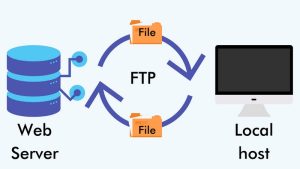
FTP, or File Transfer Protocol, is a fundamental component of web hosting that facilitates the seamless transfer of files between a client’s computer and a server over a computer network. This protocol is extensively used in website development, server management, and various online services where efficient and secure file transfer is essential. In this detailed explanation, we’ll explore the role of FileTransferProtocol in hosting, its working principles, security considerations, and common use cases.
Working Principles of FTP in Hosting:
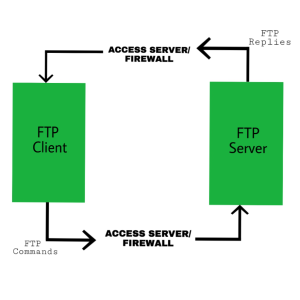
- Client-Server Architecture: It operates on a client-server architecture, where the client initiates a connection to the server. The client is typically a computer or device where files are stored, and the server is a remote machine hosting these files.
- Authentication: Before engaging in file transfer, users must authenticate themselves to the FileTransferProtocol server. This authentication process involves providing a valid username and password, ensuring that only authorized individuals can access and manipulate files.
- Control and Data Connections: It establishes two types of connections between the client and server: the control connection and the data connection. The control connection is responsible for sending commands and receiving responses, while the data connection is used for actual file transfers.
- Commands and Responses: It operates using a set of commands and responses exchanged between the client and server. Commands instruct the server to perform specific actions, such as listing directory contents or transferring files, while responses indicate the status and outcome of these actions.
- Directory Navigation: Users can navigate the directory structure of the server using commands like
cdto change directories andlsto list the contents of a directory. This allows users to explore and manage files on the server. - File Transfer Modes: It supports two primary file transfer modes: ASCII and binary. ASCII mode is suitable for text files, ensuring proper handling of line endings. Binary mode is used for non-text files, preserving the integrity of binary data.
Security Considerations:
- FTP over TLS/SSL (FTPS): Traditional FileTransferProtocol transmits data in plaintext, which can pose security risks. FTPS, or Secure, enhances security by encrypting the data using Transport Layer Security (TLS) or Secure Sockets Layer (SSL).
- SFTP (SSH File Transfer Protocol): SFTP is a distinct protocol from FTP and operates over the Secure Shell (SSH) protocol. It provides secure file transfer and is commonly used in hosting environments where enhanced security is a priority.
- Firewall Compatibility: FileTransferProtocol may encounter issues with firewalls, especially in active mode. Passive mode is often employed to address firewall-related challenges, as it allows the server to open a port for data transfer, and the client connects to that port.
- Authentication Mechanisms: Strong authentication mechanisms are crucial for securing connections. This includes using secure passwords, implementing multi-factor authentication when available, and regularly updating authentication credentials.
Common Use Cases in Hosting:
- Website Development: FTP is extensively used in website development to upload, download, and manage files on a web server. Web developers use FTP clients to transfer HTML files, images, scripts, and other assets between their local machines and the server.
- File Backup and Restoration: Hosting environments often use It for backing up critical files to remote servers. This provides a secure offsite storage solution, and users can easily restore files from the server to their local machines when needed.
- Server Administration: System administrators utilize It to manage files, configurations, and scripts on remote servers. This includes tasks such as updating software, transferring log files, and configuring server settings.
- Automated Processes: It is integrated into automated processes and scripts, enabling scheduled file transfers and updates. This is particularly common in scenarios involving backups, data synchronization, and automated workflows.
- Media and Content Distribution: It is employed in media and content distribution scenarios, where large files such as images, videos, and software updates need to be transferred efficiently between servers and clients.
Conclusion:
It plays a pivotal role in web hosting by providing a reliable and efficient means of transferring files between clients and servers. Its client-server architecture, straightforward commands, and flexibility make it a go-to protocol for various hosting-related tasks, from website development to server administration. While security considerations have led to the adoption of secure variants like and SFTP, traditional remains a foundational tool in the hosting ecosystem. Understanding the working principles and security features of empowers users to leverage its capabilities effectively in diverse hosting environments.